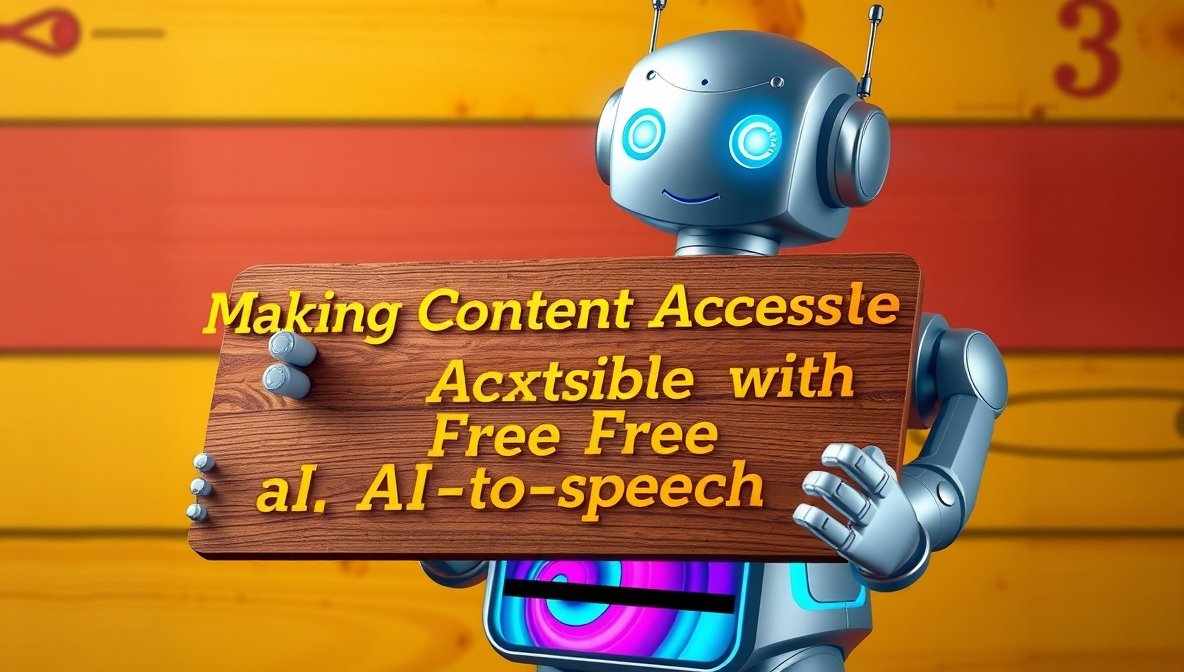
In today’s fast-paced digital landscape, accessibility is more than just a courtesy; it’s a necessity. Whether you’re a content creator, educator, or marketer, ensuring that your material is usable by a wide and diverse audience helps you build stronger connections and reach people more effectively. Among the many innovations making this possible, AI-powered text-to-speech (TTS) tools stand out as a game-changer. These tools can transform written content into spoken audio, breaking down barriers for people with visual impairments, learning disabilities, or those who simply prefer listening over reading.
By integrating text-to-speech into your content strategy, you’re not only expanding your audience but also delivering an inclusive experience that benefits everyone. Let’s dive into how free AI text to speech can reshape accessibility and open new doors for creators and consumers alike. In fact, some creators using solutions like invideo AI alongside these technologies are experimenting with transforming entire workflows, blending video automation with accessibility features.
Why Accessibility Matters in Content Creation
Accessibility isn’t just about compliance with laws or regulations, it’s about inclusivity. Millions of people worldwide face barriers when engaging with digital content, from those who have vision impairments to individuals who struggle with reading comprehension. Making your content accessible ensures that nobody is excluded from information, entertainment, or opportunities. thunderonthegulf
Key Benefits of Accessibility
- Improves reach: Accessible content allows you to connect with audiences that might otherwise be overlooked.
- Enhances engagement: Offering content in multiple formats, such as text, video, and audio, gives people the flexibility to choose how they consume information.
- Supports diverse learning styles: Some people retain information better when they hear it, making TTS an invaluable tool in educational contexts.
- Future-proofs content: Accessibility features are increasingly expected in digital spaces, ensuring your content remains relevant.
The Role of Text-to-Speech in Accessibility
Text-to-speech bridges the gap between written information and auditory learning. By turning text into natural-sounding speech, these tools help people absorb content without relying solely on visuals.
Who Benefits from TTS?
- Visually impaired users who rely on spoken audio to interact with websites, blogs, and eBooks.
- Students with learning disabilities, such as dyslexia, who find it easier to comprehend spoken language than written words.
- Busy professionals who multitask and prefer listening to long articles during commutes or workouts.
- Language learners who can improve pronunciation and listening skills by hearing written words read aloud. cutes
Why Free Options Matter
Not everyone has the budget for premium accessibility tools. Free AI-powered TTS options make accessibility more democratic, ensuring that individuals, small businesses, and independent creators can make their content inclusive without additional financial strain. trend, riproar, programgeeks, thegamearchives
How Free AI Text-to-Speech Improves Content Accessibility
The use of free AI text to speech goes far beyond basic functionality. These tools are becoming increasingly sophisticated, offering lifelike voices, customizable playback speeds, and multilingual support. This helps content creators deliver experiences that feel human and engaging.
Enhancing Digital Media with Audio
Imagine a long blog post being converted into a podcast-style audio version with just a click. This transforms static text into dynamic, engaging content that appeals to both auditory learners and casual listeners. When paired with platforms like invideo AI, creators can also synchronize these narrations with visual elements, creating multimedia experiences that blend audio accessibility with visual storytelling.
Key Features That Elevate Accessibility
- Natural-sounding voices: Reducing robotic tones ensures a smoother listening experience.
- Language and accent options: Catering to global audiences with diverse needs.
- Custom pacing: Allowing users to slow down or speed up playback.
- Cross-platform compatibility: Ensuring content is usable on desktops, smartphones, and assistive devices. logicalshout, nothing2hide, gamificationsummit, thehaketech
The Connection Between AI Video Apps and Text-to-Speech
While TTS shines in accessibility, it’s even more powerful when combined with other innovations like ai video apps. For instance, adding an AI-generated narration to a video can make it easier for users with hearing or visual impairments to follow along. Similarly, subtitles can be paired with speech for a dual-format experience that benefits nearly every viewer.
AI-driven video tools often support voiceovers generated through TTS, streamlining the process of making educational tutorials, social media clips, or corporate explainers more inclusive. This synergy between AI video tools and text-to-speech ensures that accessibility is no longer an afterthought; it becomes an integrated part of content creation. uploadblog com, logicalshout, vezyolatens, wyrkordehidom, zikzoutyqulsis, dyeowokopizz.
Practical Applications of Free AI Text-to-Speech
1. Educational Content
In classrooms and online courses, TTS can transform written study material into spoken lessons. This ensures that students with different learning needs have equal access to resources, boosting comprehension and retention.
2. Websites and Blogs
Adding an audio version of written posts can enhance user experience. Visitors can listen while browsing, driving engagement, and time spent on your platform. thebetterthisworld
3. Social Media
Social platforms thrive on bite-sized, versatile content. TTS can convert captions, quotes, or articles into short audio clips, making posts more interactive and accessible.
4. Corporate Training
Companies can integrate TTS into training materials, ensuring all employees—regardless of language proficiency or disabilities can participate effectively.
5. Entertainment and Podcasts
Writers and storytellers can transform their written content into audio dramas or podcasts, broadening their audience with minimal effort.
Challenges and Considerations
Despite its benefits, TTS comes with challenges that creators should address:
- Voice authenticity: Some free options may still sound robotic, which could affect user engagement.
- Accent accuracy: Non-native accents might sometimes lack precision.
- Contextual interpretation: AI may mispronounce uncommon words or names.
- User customization: Not all free tools offer robust personalization features.
Addressing these limitations often involves combining TTS with careful editing, user feedback, or pairing with other AI-driven tools for the best results.
Best Practices for Implementing Free AI Text-to-Speech
Prioritize Clarity
Ensure that the content being read aloud is clear and concise. Long, complex sentences may sound confusing when spoken. betterthisworld
Test with Real Users
Gather feedback from individuals with disabilities to confirm that your TTS-enhanced content meets accessibility needs.
Combine with Visual Accessibility
Pair TTS with captions, high-contrast visuals, and simple navigation for a comprehensive accessibility strategy.
Update Regularly
As AI evolves, revisit your TTS integrations to leverage new features like improved voices, expanded language support, or better pronunciation accuracy.
The Future of Accessible Content with AI
The future of accessibility lies in seamless integration. Imagine AI systems that not only read text but also adapt tone, pace, and vocabulary based on the listener’s preferences. Or platforms that combine TTS with visual AI to create fully immersive multimedia experiences.
As more creators adopt TTS, accessibility will shift from being an optional feature to a standard expectation. Free solutions are leading the way, showing that inclusivity doesn’t have to come at a premium cost.
Conclusion
Accessibility is no longer a niche concern; it’s the foundation of effective content creation in the digital age. By using free AI text to speech, creators can ensure their material reaches a broader, more diverse audience while offering flexible ways to engage with content. When combined with innovations like invideo AI or integrated into ai video apps, TTS opens possibilities for inclusive, multimedia-rich experiences that resonate across platforms.
In the end, making content accessible is about more than technology; it’s about empathy, inclusivity, and the commitment to ensure that everyone can participate in the digital conversation.